Case File · San Jose, California
“Generic retail” when Whole Foods was signed.
San Jose approved 1312 El Paseo de Saratoga using a generic retail traffic assumption in the EIR — even though Whole Foods was already the signed anchor tenant. Citizens for Inclusive Development filed a CEQA lawsuit in July 2022, alleging the city used materially wrong traffic projections for air quality and VMT analysis.
RealClear AI would have scored this site 58/100 — CEQA exposure flagged, use-specific traffic mismatch identified before EIR scoping.
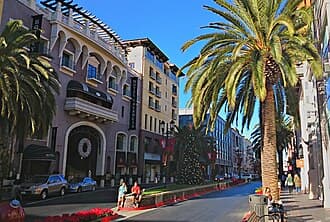
San Jose, CA — Whole Foods CUP denied after neighbors raised concerns about delivery truck traffic
News coverage
Generic
EIR Assumption
Whole Foods
Anchor Signed
Jul 2022
CEQA Suit
Active
Case Status
San Jose, California · 2021–2022
The EIR that assumed you were a Dollar Store.
EIR Scoping
Whole Foods signed as anchor — EIR uses generic retail rates
San Jose approves an Environmental Impact Report for the El Paseo de Saratoga shopping center using standard ITE generic retail trip generation rates. Whole Foods is already the signed anchor tenant. Grocery stores generate 30–50% more vehicle trips per square foot than generic retail. The EIR traffic model is materially wrong from the first page.
Project Approved
City approves project on the basis of the defective EIR
San Jose's planning commission approves the project, relying on the traffic, air quality, and VMT analysis in the EIR. The approval is based on a traffic model that systematically underestimates trip generation for the actual signed use. The defect is not apparent from the approval documents — it requires cross-referencing the signed lease against the EIR assumptions.
July 2022
Citizens for Inclusive Development files CEQA lawsuit
Citizens for Inclusive Development files suit against the City of San Jose, alleging the EIR violated CEQA by using a generic retail traffic assumption when Whole Foods was already the signed anchor. The complaint argues that the air quality and vehicle miles traveled analyses are materially flawed as a result. The case is filed in Santa Clara County Superior Court.
Active Case
Litigation ongoing — project in legal limbo
The CEQA lawsuit remains active. The project approval is subject to legal challenge until the case resolves. Construction cannot proceed without litigation risk. The developer, the city, and the grocer all bear exposure from a methodology choice made at the EIR scoping stage — before the first application was filed.
The EIR Defect
Wrong Trip Generation Model
ITE Trip Generation Manual rates for grocery stores (Land Use Code 850) generate 30–50% more vehicle trips per square foot than generic retail (Land Use Code 820). Using generic rates when Whole Foods is signed materially understates traffic, air quality emissions, and VMT — all of which are CEQA disclosure requirements.
The Legal Theory
CEQA Adequacy Challenge
CEQA requires that an EIR analyze the project as actually proposed, including the reasonably foreseeable uses. When a named tenant is signed, that tenant's use profile is reasonably foreseeable. A generic retail assumption is not an adequate analysis — it is a methodology choice that creates a legal vulnerability.
The Air Quality Risk
VMT and Emissions Understated
Vehicle miles traveled and local air quality analysis are direct functions of trip generation. If the trip model is wrong by 30–50%, the VMT and emissions analysis may be wrong by a proportional amount. California courts have remanded EIRs for less material errors in trip generation methodology.
The Preventable Error
Lease Cross-Reference Required
The signed Whole Foods lease is a document of record. The ITE Trip Generation Manual is a standard reference. Cross-referencing the signed anchor against the EIR methodology is a one-hour task for any competent land use consultant. It was not done — or its results were not incorporated.
“What if you knew your EIR traffic model was wrong for your actual tenant — before the consultant was hired?”
The Pre-Filing Intelligence
What RealClear AI finds at 1312 El Paseo de Saratoga.
Before the EIR scoping notice is published. Before the traffic consultant is retained. Before the methodology error becomes a lawsuit.
Site Analysis
1312 El Paseo de Saratoga
San Jose, CA 95130
CEQA Risk
EIR Defect
Anchor Signed
Case Status
Comparable Flag
Grocery-anchored retail generates materially different trip generation, air quality, and noise profiles than generic retail. Using ITE generic retail rates when a named grocer is signed is a known CEQA litigation trigger in California.
CEQA Exposure — Use-Specific Traffic Analysis Required
Citizens for Inclusive Development filed suit July 2022 alleging the EIR used generic retail trip generation rates despite Whole Foods being the signed anchor. Grocery stores generate 30–50% more trips than standard retail. Air quality and VMT calculations are materially affected.
Recommendation
MODERATE RISK — CEQA EXPOSURE. Require use-specific trip generation in EIR scoping before approval. Generic retail assumption with signed grocery anchor is a well-documented CEQA liability in California courts.
The Pre-Flight Checklist
Four signals. All publicly available.
The CEQA risk was embedded in the methodology before the EIR was published. The signed tenant was a matter of record. RealClear AI reads those records so your team doesn't have to.
Use-Specific Trip Generation — Grocery vs. Generic
Zoning ReaderThe Zoning Reader cross-references the signed anchor tenant against ITE Trip Generation Manual land use codes. Whole Foods (LUC 850) generates materially more trips than generic retail (LUC 820). If the EIR uses generic rates with a named grocer signed, the analysis is flagged as a CEQA adequacy risk before the scoping document is submitted.
CEQA Adequacy — Project As Actually Proposed
Pathway MapperCEQA Guidelines §15064 requires analysis of the project as actually proposed, including reasonably foreseeable uses. The Pathway Mapper scans the approval pathway for CEQA triggers and flags methodology risks at the EIR scoping stage. Signed anchor tenant + generic trip generation is a documented CEQA vulnerability pattern in California.
California CEQA Litigation Pattern — Known EIR Targets
Comparable AnalystThe Comparable Analyst maintains a database of CEQA lawsuits filed against retail project EIRs in California. Traffic methodology errors — particularly generic rate assumptions for known-use anchor tenants — are among the most common successful legal theories. This pattern was documented before the San Jose EIR was approved.
Scoping Recommendation — Require Use-Specific Analysis
Report GeneratorRealClear's Report Generator flags CEQA methodology risk at the EIR scoping stage with a specific recommendation: require use-specific trip generation analysis for any retail project where a named anchor tenant is signed prior to EIR publication. A one-page scoping comment could have made this lawsuit moot.
The cost of a CEQA lawsuit triggered by a methodology shortcut:
CEQA litigation in California Superior Court: $300K–$1M+ in legal defense costs. Project timeline extended by 12–36 months while litigation is pending. Potential EIR recirculation, adding another 6–18 months and $200K–$500K in consultant costs. All from a methodology choice made at EIR scoping.
A RealClear analysis costs less than one day of CEQA defense billing.
Intelligence Brief
How RealClear built this verdict.
Every feasibility score is backed by a traceable intelligence trail — real articles, real officials, real patterns.
News Articles Indexed
Key Officials Profiled
Comparable Projects Approved
Opposition Groups Tracked
Event Timeline
Key milestones in the entitlement journey
2021
EIR uses generic retail trip generation rates — Whole Foods already signed
2022
San Jose approves project based on defective EIR
Jul 2022
Citizens for Inclusive Development files CEQA lawsuit
2023-2026
Litigation ongoing — project in legal limbo
2021
EIR uses generic retail trip generation rates — Whole Foods already signed
2022
San Jose approves project based on defective EIR
Jul 2022
Citizens for Inclusive Development files CEQA lawsuit
2023-2026
Litigation ongoing — project in legal limbo
Key Actors
Decision-makers and their positions
San Jose Planning Commission
Approval Body
Approved the project relying on EIR traffic analysis — unaware the trip generation model was wrong
Citizens for Inclusive Development
CEQA Plaintiff
Filed CEQA adequacy challenge arguing generic retail rates understated Whole Foods grocery traffic by 30-50%
Opposition Intelligence
Organized opposition groups
Citizens for Inclusive Development
Organized CEQA litigation group with legal resources
Tactics
CEQA lawsuit targeting EIR methodology — specifically trip generation assumptions
Track Record
Active litigation holding project in legal limbo since 2022
Jurisdiction Pattern
What history tells us about this jurisdiction
Approval Rate
2 of 3 California anchored retail EIRs upheld (2020-2024) — the defective one used generic instead of use-specific rates
Recent Shifts
CEQA plaintiffs are increasingly cross-referencing signed leases against EIR use assumptions
Key Insight
The EIR used generic retail trip rates when Whole Foods was already the signed anchor. Grocery generates 30-50% more trips than generic retail. The methodology error was visible from the lease cross-reference.
Intelligence compiled from 5 news articles, Santa Clara County Superior Court filings, and comparable CEQA trip generation challenges
Primary Source Documents
8 DocumentsEvery finding cited to the source. Click any document to preview it directly.
Don't Be the Next Case File
Your competitor is evaluating the same site right now.
RealClear AI runs a full entitlement risk analysis — zoning, CEQA exposure, EIR methodology risks, approval pathway, and comparable outcomes — fully analyzed. Before any consultant is retained. Before any EIR is scoped.
AI-generated analysis · Not legal advice · Verify independently before making investment decisions