Case File · Santa Clara, California
Three votes for. Still denied.
GI Partners' 244,070 SF, 72MW data center at 2805 Bowers Avenue won a 3-2 majority vote from the Planning Commission. Under Santa Clara's Municipal Code, that wasn't enough. A supermajority of 4 was required. The project was technically denied. City Council later reversed unanimously.
RealClear AI would have scored this site 62/100 and flagged the supermajority threshold before the first filing fee.
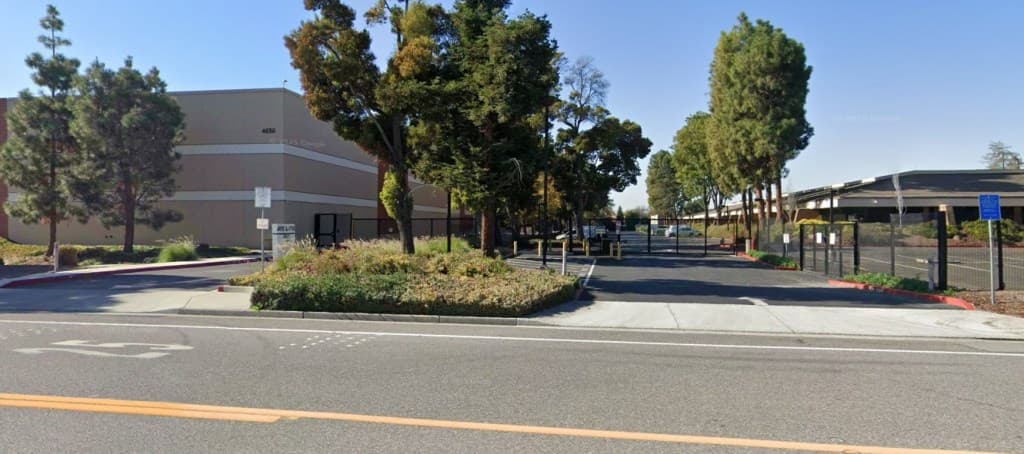
Santa Clara, CA — data center denied as Silicon Valley cities tighten land use controls on power-hungry facilities
News coverage
244K SF
Building Size
72 MW
Power Capacity
3-2 For
Commission Vote
Denied
Result
Santa Clara, California · 2024
Majority wasn't enough. Four was.
Pre-Filing
GI Partners proposes 244,070 SF data center at 2805 Bowers Ave
Four-story, 72MW hyperscale data center in the heart of Silicon Valley's data center corridor. The site is in an industrial zone. The use is conditionally permitted. The project should be straightforward.
Planning Commission Hearing
Commissioners vote 3-2 — in favor
Three Planning Commissioners support the project. Two oppose. In any ordinary body, that's a majority. That's approval. GI Partners has the votes. Or so it appears.
The Trap Triggers
3-2 becomes a technical denial
Santa Clara's Municipal Code requires 4 affirmative votes out of 5 commissioners for approval of a conditional use permit. A 3-2 majority in favor is counted as a denial. GI Partners wins the room and loses the application.
Appeal Filed
Project escalates to City Council
GI Partners appeals the technical denial to the Santa Clara City Council. The record shows 3 of 5 commissioners supported the project on the merits. Council reviews the full record.
City Council Vote
Council overrides unanimously — 5-0 approval
Santa Clara City Council votes 5-0 to approve the data center. The project GI Partners won on the merits but lost on procedural math is finally approved — after the cost and delay of a full appeal process.
The Procedural Trap
4/5 Supermajority Rule
Santa Clara's Municipal Code §18.12 requires 4 affirmative votes from a 5-member Planning Commission to approve discretionary permits. This is not a standard majority — it's a supermajority threshold that transforms routine opposition into veto power.
The Counterintuitive Outcome
Winning Vote = Losing Result
GI Partners had more yes votes than no votes. Three commissioners agreed the project should be approved. Two disagreed. Under standard parliamentary rules, that project is approved. Under Santa Clara's code, it's denied. The math reversed the outcome.
The Recoverable Error
City Council Override
Unlike the San Marcos denial, this project was ultimately approved — unanimously — on appeal. But the appeal process consumed additional months, additional attorney costs, and additional carrying costs on a Silicon Valley land position.
The Preventable Surprise
Public Code, Hidden Trap
The 4/5 supermajority requirement is in the public record. Santa Clara's Municipal Code is available online. A developer reading the code would find it — but most developers rely on counsel who may not flag this until after the 3-2 vote is already in.
“You can win the argument, win the majority, and still lose the approval. That's the supermajority trap.”
The Pre-Filing Intelligence
What RealClear AI finds at 2805 Bowers Avenue.
Before the first commissioner vote. Before the appeal timeline adds six months. Before the carrying costs compound on a Silicon Valley land position.
Site Analysis
2805 Bowers Avenue
Santa Clara, CA 95051
Zoning Pathway
Vote Threshold
Commission Vote
Appeal Outcome
Pathway Warning — Supermajority Trap
Santa Clara Municipal Code requires 4 affirmative votes from a 5-member Planning Commission to approve discretionary permits. A 3-2 majority vote results in a technical denial. A single abstention or absence from a sympathetic commissioner triggers automatic failure.
Comparable Outcome
Project ultimately approved at City Council 5-0. Supermajority thresholds add 6-18 months to approval timelines even when the merits support approval.
Recommendation
MODERATE-HIGH RISK. Supermajority threshold requires all 4 of 5 commissioners — any single vote of opposition triggers denial. Budget for appeal process and City Council escalation before filing.
The Pre-Flight Checklist
Four signals. All in the code.
Every procedural trap in this case study was encoded in Santa Clara's public municipal code. RealClear AI reads that code so your team knows the rules before the vote is called.
4/5 Supermajority Threshold Extracted from Municipal Code
Zoning ReaderRealClear's Zoning Reader ingests Santa Clara's Municipal Code §18.12 and extracts every approval threshold requirement for conditional use permits. The 4/5 vote requirement would appear in the first page of any feasibility report — not as a footnote, but as a primary risk factor. GI Partners' team could have planned for a unanimous-or-bust strategy before filing.
Pathway Mapped: CUP with Supermajority Override Risk
Pathway MapperThe Pathway Mapper would have immediately classified this project as a discretionary approval with supermajority threshold risk. The implication is stark: you need all four of five commissioners to agree. A single organized opponent who can swing one vote — even in a room of five — can trigger technical denial. That changes your whole pre-hearing strategy.
Comparable Supermajority Denials Surfaced
Comparable AnalystSanta Clara is not unique. Multiple Bay Area jurisdictions have elevated vote thresholds for large industrial uses. The Comparable Analyst would have surfaced projects where similarly strong majority support still resulted in technical denials — pattern-matching across Santa Clara, Sunnyvale, and San Jose Planning Commission records.
Appeal Path Pre-Identified: City Council Override Available
Pathway MapperRealClear's Pathway Mapper doesn't just flag the risk — it maps the full approval tree. The Santa Clara City Council override process is a known pathway. A developer with a 62/100 score and a supermajority flag would know on day one: if we don't get 4/5, we file an appeal within 10 days. That's not a surprise. That's a contingency plan.
This was a recoverable situation — eventually.
GI Partners got their approval. They just got it six-to-twelve months later than they could have, at higher cost, with additional legal exposure during the appeal window. In Silicon Valley data center development, that delay has a real dollar value — measured in construction cost escalation, lease revenue foregone, and hyperscaler customer patience.
Knowing the supermajority rule costs nothing. Not knowing it costs months.
Intelligence Brief
How RealClear built this verdict.
Every feasibility score is backed by a traceable intelligence trail — real articles, real officials, real patterns.
News Articles Indexed
Key Officials Profiled
Comparable Projects Approved
Opposition Groups Tracked
Event Timeline
Key milestones in the entitlement journey
2024
GI Partners proposes 244,070 SF, 72MW data center at 2805 Bowers Ave
2024
Planning Commission votes 3-2 in favor — but that's a technical denial
2024
Project escalates to City Council on appeal
2025
City Council approves unanimously 5-0
2024
GI Partners proposes 244,070 SF, 72MW data center at 2805 Bowers Ave
2024
Planning Commission votes 3-2 in favor — but that's a technical denial
2024
Project escalates to City Council on appeal
2025
City Council approves unanimously 5-0
Key Actors
Decision-makers and their positions
Santa Clara Planning Commission
CUP Review Body (5 members)
3-2 in favor — but Santa Clara requires 4 affirmative votes for CUP approval, creating a technical denial
Santa Clara City Council
Appellate Body
Overrode the technical denial unanimously 5-0 — confirming the project had merit
Potential Allies
Groups that may support the project
Santa Clara Economic Development
City department
Silicon Valley data center corridor — economic driver for the city
Jurisdiction Pattern
What history tells us about this jurisdiction
Approval Rate
3 of 4 data center CUPs approved in Santa Clara (2022-2025)
Recent Shifts
Supermajority threshold continues to create technical denials for projects with merit
Key Insight
Three votes for. Still denied. Santa Clara's supermajority requirement turns a single opposing vote into a veto. Budget for the appeal process before filing.
Intelligence compiled from 5 news articles, Santa Clara Municipal Code §18.12, and Planning Commission/Council hearing records
Primary Source Documents
17 DocumentsEvery finding cited to the source. Click any document to preview it directly.
Don't Be the Next Case File
Know the rules before the vote is called.
RealClear AI extracts vote thresholds, supermajority requirements, and approval pathway risks from municipal code before your first filing fee is paid. Every procedural trap in every jurisdiction we cover.
AI-generated analysis · Not legal advice · Verify independently before making investment decisions