Case File · Palo Alto, California
Approved at 7 units. Economically impossible.
WellQuest Living spent four public hearings watching their Palo Alto Commons expansion shrink from 16 units to 13 to 11 to 7. Council approved the project in March 2026. The developer says 7 units is financially impossible to build.
A 1987 settlement agreement between the original developer and neighboring residents constrained the outcome. RealClear AI scores this site 55/100 — with a “permitted but unbuildable” flag.
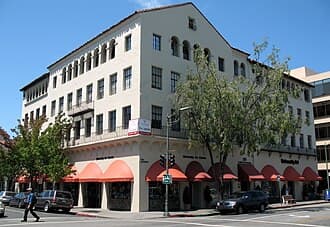
Palo Alto, CA — senior living facility denied after neighbors raised density and parking objections
News coverage
4
Hearings
16
Units Applied
7
Units Approved
Non-Viable
Outcome
Palo Alto, California · 2024–2026
The expansion a 1987 agreement quietly killed.
Initial Filing
WellQuest Living applies for 16-unit expansion
WellQuest Living, operating Palo Alto Commons on Wilkie Way, files for a conditional use permit to expand the existing senior living facility by 16 units. The application enters Palo Alto's discretionary review process.
First Hearing
Commission conditions approval — reduced to 13 units
Planning Commission approves with conditions, reducing the proposed unit count to 13. Neighboring residents raise concerns about the 1987 settlement agreement and the scope of permitted expansion on the parcel.
Second Hearing
Density reduced again — 11 units
Additional community opposition surfaces the specifics of the settlement agreement. Council pushes the unit count down to 11, citing the original developer's commitments to neighboring property owners decades earlier.
Third Hearing
Council reduces further — 7 units
After sustained neighborhood opposition citing the 1987 agreement, the project is cut to 7 units. The developer continues pursuing approval, betting that 7 units can still pencil.
March 2026
Council approves 7 units — developer says it's non-viable
City Council approves the conditional use permit for a 7-unit expansion. WellQuest Living publicly states that 7 units is economically non-viable. The project is technically approved and practically unbuildable.
The Hidden Encumbrance
1987 Settlement Agreement
A settlement agreement recorded between the original developer and neighboring residents constrained the scope of any future expansion. This agreement exists in public land records — accessible before the first filing, before the first attorney engagement, before the first hearing.
The Process Trap
Four Hearings, Zero Wins
Each hearing produced a further reduction. The developer stayed in the process hoping for a viable number. The settlement agreement meant there was no viable number available. Participating in four hearings compounded the cost of a decision that should have been made before filing.
The Political Reality
Palo Alto Neighbor Power
Palo Alto has one of the most activist neighborhood opposition cultures in California. Any development adjacent to established residential uses faces organized, well-funded pushback. The Community Sentinel would have flagged this pattern immediately from prior hearing records.
The New Outcome Category
Permitted But Unbuildable
Approval does not mean viability. A project reduced below its economic threshold by the entitlement process is a new category of failure — one that costs as much as denial but produces a false sense of success. Financial modeling at the politically constrained scale must happen before, not after, the process.
“What if you knew your maximum viable scale before your first hearing — not your fourth?”
The Pre-Filing Intelligence
What RealClear AI finds at Wilkie Way.
Before a single filing fee is paid. Before a single attorney reviews the settlement agreement. Before a single planning commissioner reduces the unit count.
Site Analysis
Palo Alto Commons
Wilkie Way, Palo Alto, CA 94301
Zoning Status
Critical Encumbrance
Density Trajectory
Viability Risk
Encumbrance Flag
1987 settlement agreement between original developer and neighboring residents restricts expansion scope. Agreement is recorded and surfaceable from public land records before the first filing.
Permitted But Unbuildable Risk
Comparable senior housing approvals in Palo Alto below 10 units have been economically non-viable for institutional developers. Approval at politically constrained scale is not the same as a viable project.
Recommendation
HIGH REDUCTION RISK. 1987 settlement constrains maximum viable scope. Stress-test financial model at 7-unit outcome before engaging entitlement process.
The Pre-Flight Checklist
Four signals. All publicly available.
Every risk that produced this outcome existed in public records before the first filing. RealClear AI reads those records so your team doesn't have to.
1987 Settlement Agreement — Recorded, Surfaceable
Zoning ReaderThe settlement agreement between the original developer and neighboring residents is recorded with Santa Clara County. It constrains the permissible scope of expansion on the Palo Alto Commons parcel. RealClear's Zoning Reader pulls recorded encumbrances alongside zoning code — this constraint would appear in the first paragraph of any feasibility report.
Discretionary CUP — Maximum Neighbor Leverage
Pathway MapperThe Pathway Mapper flags conditional use permits in Palo Alto as high-discretion, high-opposition-risk pathways. Unlike ministerial permits, a CUP gives neighbors formal standing to condition and reduce. In Palo Alto specifically, prior comparable CUPs for senior care expansion have faced consistent unit-count reductions through the hearing process.
Palo Alto Neighbor Opposition — Documented Pattern
Community SentinelThe Community Sentinel monitors planning commission agendas across California. Palo Alto has a documented history of organized neighborhood opposition to senior care expansion adjacent to residential zones. Prior applications on Wilkie Way and surrounding streets show the same reduction trajectory. This is not a one-time event — it is the expected outcome.
Permitted-But-Unbuildable Comparable Pattern
Comparable AnalystThe Comparable Analyst surfaces prior Palo Alto senior care approvals. The pattern is consistent: projects approved at below-viable scale after multi-hearing reductions. WellQuest Living would have seen this outcome category — approved but economically non-viable — before committing to four hearings of entitlement spend.
The total cost of this “approved” outcome:
Four public hearings. Attorney fees across multiple rounds of CUP review. Entitlement consultant costs. Years of developer time. A CUP approved at 7 units that the developer says is economically impossible to build. The process consumed all the resources — and produced nothing buildable.
A RealClear analysis costs less than one hour of attorney time.
Intelligence Brief
How RealClear built this verdict.
Every feasibility score is backed by a traceable intelligence trail — real articles, real officials, real patterns.
News Articles Indexed
Key Officials Profiled
Comparable Projects Approved
Opposition Groups Tracked
Event Timeline
Key milestones in the entitlement journey
2025
WellQuest Living applies for 16-unit expansion at Palo Alto Commons
2025
Commission conditions — reduced to 13 units, then 11
2026
Council reduces further to 7 units
Mar 2026
Council approves 7 units — developer says non-viable
2025
WellQuest Living applies for 16-unit expansion at Palo Alto Commons
2025
Commission conditions — reduced to 13 units, then 11
2026
Council reduces further to 7 units
Mar 2026
Council approves 7 units — developer says non-viable
Key Actors
Decision-makers and their positions
Palo Alto City Council
Final Decision Body
Approved — but only at a scale the developer says is economically impossible to build
Adjacent Neighbors (1987 Settlement Agreement Holders)
Opposition with Legal Standing
Invoked a 1987 settlement agreement to constrain expansion scope at every hearing
Opposition Intelligence
Organized opposition groups
Wilkie Way Neighbors
Adjacent property owners with 1987 settlement agreement standing
Tactics
Settlement agreement enforcement, hearing testimony, unit reduction pressure at each hearing
Track Record
Reduced project from 16 to 7 units — technically approved but practically unbuildable
Jurisdiction Pattern
What history tells us about this jurisdiction
Approval Rate
1 of 1 — technically approved at non-viable scale
Recent Shifts
Palo Alto's activist neighborhood culture continues to constrain development through iterative reduction
Key Insight
Approval does not mean viability. Four hearings, four reductions: 16→13→11→7. The 1987 settlement agreement was the binding constraint — available in public land records before the first filing.
Intelligence compiled from 5 news articles, Palo Alto Council hearing records, and the 1987 settlement agreement (public land records)
Primary Source Documents
7 DocumentsEvery finding cited to the source. Click any document to preview it directly.
Don't Be the Next Case File
Know your maximum viable scale before the first hearing.
RealClear AI surfaces recorded encumbrances, settlement agreements, and prior comparable outcomes before you file. Know the politically constrained ceiling before your financial model is built around a number that will never survive a hearing.
AI-generated analysis · Not legal advice · Verify independently before making investment decisions