Case File · Kansas City, Missouri
They wouldn't even hear the case.
Kansas City refused to process McDonald's drive-thru application at 3255 Main Street — citing the streetcar corridor overlay district. McDonald's didn't appeal. They sued. They won in April 2024. The two-lane drive-thru was finally approved November 2024, more than two years after the process began.
RealClear AI would have scored this site 60/100 — overlay conflict identified, litigation pathway flagged, before the first filing.
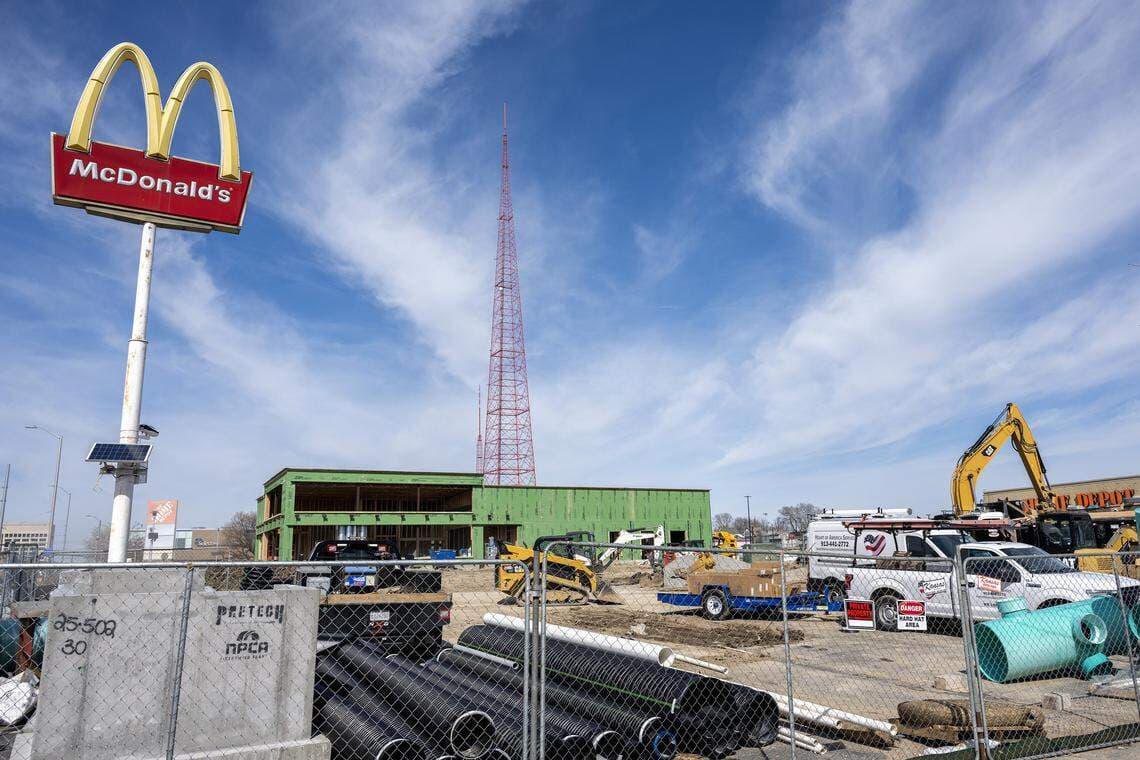
Kansas City, MO — McDonald's drive-through denied along the streetcar corridor under new transit-oriented zoning
News coverage
Refused
City Response
Won
Lawsuit Outcome
Nov 2024
Final Approval
2+ Years
Total Timeline
Kansas City, Missouri · 2022–2024
The overlay that blocked the hearing itself.
Application Filed
McDonald's proposes two-lane drive-thru at 3255 Main Street
McDonald's identifies 3255 Main Street in Kansas City as a site for a two-lane drive-thru format. The location is in a high-traffic commercial corridor. A standard application is prepared and submitted to the city planning department.
City Response
Kansas City refuses to process the application
City planning staff refuse to process the application — not deny it, but refuse to accept it for review — citing the Main Street streetcar corridor overlay district. The overlay restricts auto-oriented uses in the pedestrian-priority transit corridor. McDonald's is told there is no application pathway.
Lawsuit Filed
McDonald's sues the City of Kansas City
McDonald's files suit against Kansas City in circuit court, arguing that the city's refusal to process the application exceeded its authority under Missouri zoning law. The lawsuit triggers a multi-year legal process. Entitlement costs escalate sharply from the moment litigation counsel is engaged.
April 2024
McDonald's wins — city must process the application
The circuit court rules in McDonald's favor. Kansas City is ordered to accept and process the drive-thru application through the standard review pathway. The court finds the city exceeded its authority in refusing to hear the application. The legal win is real — but it took years and seven-figure litigation costs to achieve it.
November 2024
Drive-thru approved — two-plus years after filing
Kansas City approves the two-lane McDonald's drive-thru at 3255 Main Street. The approval comes more than two years after the initial application was filed and refused. Total costs: litigation fees, carrying costs, consultant time, and an opportunity cost measured in lost store operating months.
The Overlay Trap
Streetcar Corridor
Kansas City's Main Street streetcar corridor overlay district was designed to promote pedestrian-priority development. Drive-thru commercial was not explicitly prohibited — but city staff interpreted the overlay as grounds to refuse application processing. The overlay text is a public document. Its application to this parcel is a one-minute lookup.
The Procedural Risk
Refused, Not Denied
There is a meaningful difference between an application that is denied after review and one that is refused processing. Refusal forecloses the standard appeal pathway. McDonald's had no administrative remedy — only litigation. The procedural posture of this application was identifiable before filing from the overlay district code language.
The Legal Path
Lawsuit Won
McDonald's won. But winning took two-plus years and substantial litigation costs. The legal precedent now benefits future applicants in this corridor — but the individual cost of establishing that precedent was borne entirely by McDonald's. RealClear flags this type of overlay conflict as a litigation-required pathway before any dollar is spent.
The Final Outcome
Approved Nov 2024
The two-lane drive-thru was ultimately approved. But the path from application to approval included a lawsuit, a court ruling, and years of delay. A developer with early overlay intelligence might have structured a different legal strategy — or found a comparable site without the overlay — before the first filing fee was paid.
“What if you knew a lawsuit was the only path to a hearing before you filed the application?”
The Pre-Filing Intelligence
What RealClear AI finds at 3255 Main Street.
Before the application is filed. Before it is refused. Before the first litigation attorney is retained.
Site Analysis
3255 Main Street
Kansas City, MO 64111
Overlay District
Application Status
Litigation Path
Final Outcome
Comparable Flag
Streetcar corridor overlays in Kansas City create procedural barriers that can render applications unprocessable under current code. Legal challenge was the only path to a hearing. Litigation timeline: 2+ years from filing to approval.
Overlay Conflict — Pre-Application Finding
The Kansas City streetcar corridor overlay district restricts auto-oriented drive-thru uses at this address. City staff cited this overlay as grounds to refuse application processing entirely — not simply to deny the use.
Recommendation
MODERATE-HIGH RISK. Streetcar overlay creates procedural barrier requiring legal resolution. Budget for 18–36 month timeline and litigation cost if proceeding. Comparable lawsuits have succeeded — but at significant cost.
The Pre-Flight Checklist
Four signals. All publicly available.
The streetcar overlay was public. The use restriction was public. The refusal precedent was public. RealClear AI reads those records so your team doesn't have to.
Streetcar Corridor Overlay — Drive-Thru Use Restricted
Zoning ReaderThe Kansas City Main Street streetcar corridor overlay district is a publicly available zoning document. It restricts auto-oriented uses in the corridor to promote pedestrian-priority development. The Zoning Reader parses this overlay on the first pass and flags the use conflict before any application is drafted.
Application Refusal Pathway — Not Standard Denial
Pathway MapperWhen an overlay district restricts a proposed use without an explicit variance pathway, city staff may refuse to process the application entirely. The Pathway Mapper identifies this distinction — refusal vs. denial — because it has materially different implications for appeal strategy, litigation timing, and budget.
Pedestrian Overlay Conflict Pattern — Transit Corridors Nationally
Comparable AnalystThe Comparable Analyst maintains records of drive-thru application outcomes in transit corridor overlay districts. Kansas City is not unique: Denver, Salt Lake City, Portland, and Seattle have all generated similar conflicts. The litigation-required pathway is a known entitlement risk type with a measurable track record.
Litigation Budget and Timeline — Pre-Application Planning
Pathway MapperIf a developer proceeds on a 60/100 site with a known overlay conflict, RealClear surfaces the litigation option with context: comparable lawsuit outcomes, average timeline to resolution, and estimated cost range. McDonald's won — but a developer with that intelligence in advance could have structured a litigation budget, negotiated a conditional deal, or found a non-overlay site in the same trade area.
The total cost of suing your way into a hearing:
Commercial litigation against a municipality: $200K–$500K in attorney fees. Two-plus years of land carry. Lost store revenue from delayed opening. And the precedent only helps the next operator in the corridor — not you.
A RealClear analysis costs less than one hour of litigation counsel.
Intelligence Brief
How RealClear built this verdict.
Every feasibility score is backed by a traceable intelligence trail — real articles, real officials, real patterns.
News Articles Indexed
Key Officials Profiled
Comparable Projects Approved
Opposition Groups Tracked
Event Timeline
Key milestones in the entitlement journey
2022
McDonald's files drive-thru application at 3255 Main St
2022
City refuses to process application — streetcar overlay cited
2023
McDonald's files lawsuit in circuit court
Apr 2024
Court rules in McDonald's favor — orders city to process
Nov 2024
Two-lane drive-thru finally approved
2022
McDonald's files drive-thru application at 3255 Main St
2022
City refuses to process application — streetcar overlay cited
2023
McDonald's files lawsuit in circuit court
Apr 2024
Court rules in McDonald's favor — orders city to process
Nov 2024
Two-lane drive-thru finally approved
Key Actors
Decision-makers and their positions
Kansas City Planning Staff
Application Gatekeepers
Refused to process the application entirely — not a denial, but a refusal to hear it
Circuit Court Judge
Judicial Review
Ruled Kansas City exceeded its authority by refusing to process the application under the overlay
Opposition Intelligence
Organized opposition groups
Streetcar Corridor Pedestrian Advocates
Transit advocacy groups with institutional support
Tactics
Overlay district enforcement advocacy, transit-oriented development framing
Track Record
Successfully persuaded city staff to refuse application processing — but lost in court
Potential Allies
Groups that may support the project
Missouri Restaurant Association
Industry group
Litigation precedent benefits all drive-thru applicants in transit overlay corridors
Jurisdiction Pattern
What history tells us about this jurisdiction
Approval Rate
1 of 1 — but only after a 2+ year lawsuit
Recent Shifts
Court ruling established precedent: overlay districts cannot be used to refuse application processing entirely
Key Insight
The overlay was public. The use restriction was public. The refusal precedent was public. McDonald's won — but it took 2+ years and substantial litigation costs. A developer with overlay intelligence could have structured the litigation budget or found a non-overlay site in the same trade area.
Intelligence compiled from 9 news articles, Kansas City streetcar corridor overlay text, circuit court filings, and comparable transit overlay drive-thru outcomes
Primary Source Documents
10 DocumentsEvery finding cited to the source. Click any document to preview it directly.
Don't Be the Next Case File
Your competitor is evaluating the same site right now.
RealClear AI runs a full entitlement risk analysis — zoning, overlay districts, approval pathway, litigation history, and comparable outcomes — fully analyzed. Before any attorney is billed. Before any application is filed or refused.
AI-generated analysis · Not legal advice · Verify independently before making investment decisions