Case File · Danville, California
The approval was never in doubt. The trees were.
The Ivy at 828 Diablo Road used California's 9% density bonus to build 105 units of assisted living on a former Sloat Garden Center. Council approved 4-0. But the path ran through 91 tree removals, 5 town-protected oaks, a neighbor appeal, and an environmental study the developer didn't plan for.
RealClear AI would have scored this site 68/100 — approvable, with a clear map of every obstacle.
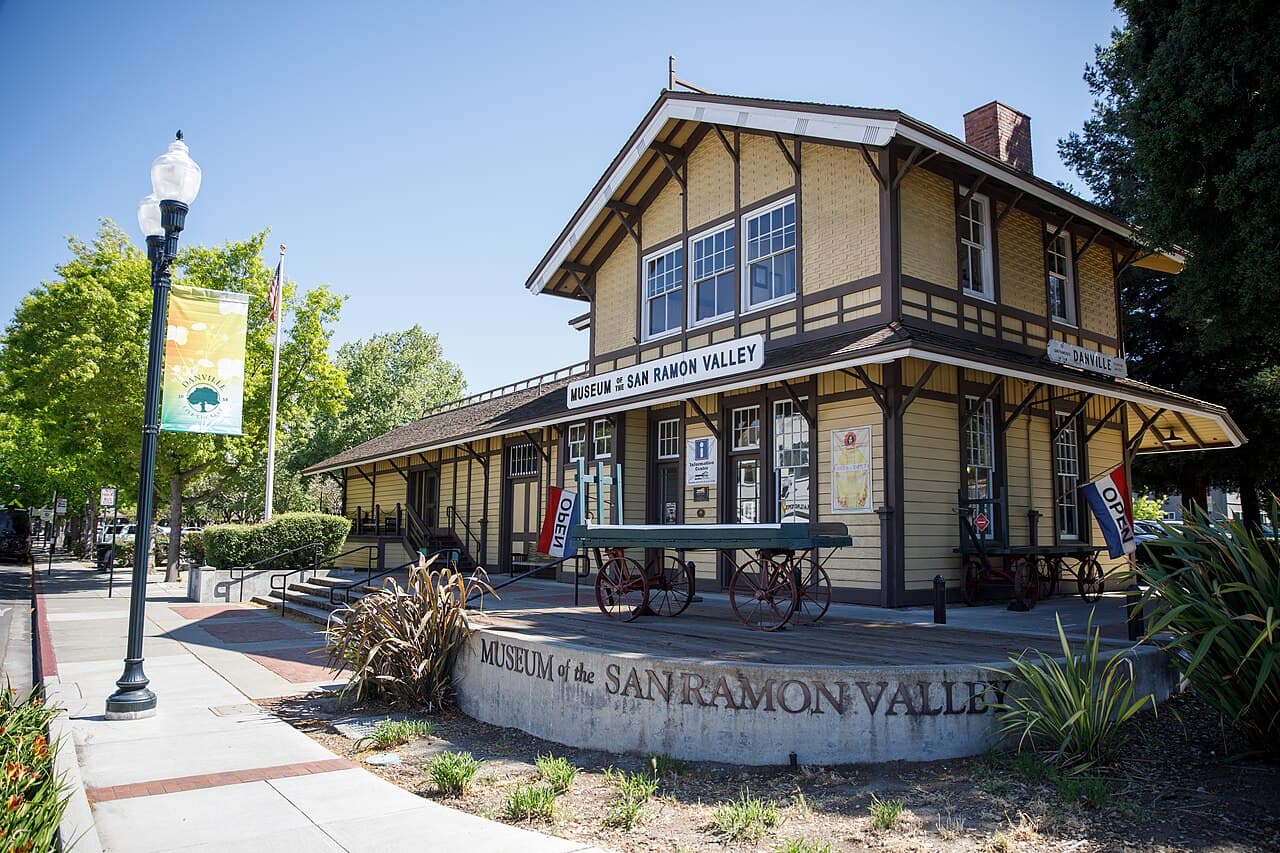
Danville, CA — assisted living facility denied after neighbors argued density and traffic incompatibility
News coverage
105
Units
91
Trees Removed
5 oaks
Town-Protected
4–0
Council Vote
Danville, California · 828 Diablo Road
The density bonus that triggered an arborist war.
Site Acquisition
Former Sloat Garden Center — redevelopment opportunity
The developer acquires 828 Diablo Road, a former Sloat Garden Center site in Danville, CA. The site is zoned for commercial retail. The proposal: 105 units of assisted living branded as The Ivy. California's state density bonus provides the legal pathway.
Density Bonus Filing
9% state density bonus invoked — mandatory review triggered
The developer files using California Government Code §65915, invoking the 9% state density bonus. Under state law, the town is required to approve a density bonus project unless it can demonstrate specific infeasibility findings. The legal pathway is strong.
Environmental Review
Phase 2 soil study required — former retail garden center
The town requires a Phase 2 Environmental Site Assessment. Garden centers are known sources of soil contamination from pesticides, herbicides, and fertilizer storage. The developer had not budgeted for remediation. The study adds 6–18 months to the pre-construction timeline.
Tree Survey
91 trees flagged for removal — 5 protected by town ordinance
The site contains 91 trees, all proposed for removal to accommodate the building footprint. The town's tree preservation ordinance designates 5 of them as protected — requiring individual findings, replacement programs, and enhanced landscaping conditions as a condition of approval.
Neighbor Appeal
Adjacent property owner files appeal
A neighboring property owner appeals the project approval, citing tree removal, visual impact, and traffic generation. The appeal triggers a full Council hearing and delays the construction timeline by several months.
Town Council
Appeal denied 4-0 — project approved with conditions
The Town Council denies the appeal and approves the project 4-0. The approval includes enhanced environmental conditions: tree replacement at a 3:1 ratio, a site-specific landscaping plan, phased soil remediation, and annual compliance reporting.
The Legal Lever
9% Density Bonus
California's density bonus law creates a near-mandatory approval pathway. But it does not eliminate opposition — it shifts the battleground from zoning to environmental and design conditions.
The Hidden Risk
Former Garden Center
Retail garden centers are known brownfield sites. Pesticide and herbicide storage creates soil contamination risk that requires Phase 2 assessment before any construction permit is issued.
The Opposition Trigger
91 Trees Removed
Tree removal is the most reliably mobilizing neighborhood issue in suburban California. Any project removing more than 10 trees should budget for an appeal cycle.
The Protected Threshold
5 Town-Protected Oaks
Danville's tree ordinance designates certain species and sizes as protected. Removing protected trees requires individual findings and triggered enhanced conditions that extended the approval timeline.
Appeal Cycle
Neighbor Appealed
Density bonus projects in established neighborhoods reliably face appeals. Budget 3–6 months and $30K–$80K in attorney fees for appeal defense. The Council denied it — but it cost time.
Timeline Impact
+6 to 18 Months
Phase 2 soil study, remediation planning, and enhanced conditions added 6–18 months to the pre-construction timeline. Costs that weren't in the original pro forma.
“The density bonus got this approved. Knowing about the trees, the soil, and the appeal before you filed would have saved a year.”
The Pre-Filing Intelligence
What RealClear AI finds at 828 Diablo Road.
Before any arborist is engaged. Before any Phase 2 study is ordered. Before any neighbor has a chance to organize an appeal around five oak trees.
Site Analysis
828 Diablo Road
Danville, CA 94526
Approval Status
Density Bonus
Tree Removal
Soil Risk
Density Bonus Flag
California's 9% density bonus triggered mandatory approval — but also triggered predictable community opposition on trees and site character. The density bonus works. Plan for the appeal.
Hidden Timeline Risk — Former Garden Center
Former retail garden center sites carry pesticide and herbicide contamination risk. A Phase 2 environmental study is not optional — it's a pre-construction requirement. Allow 6–18 months.
Recommendation
CONDITIONAL APPROVAL ACHIEVABLE. Density bonus provides strong legal protection. Budget for Phase 2 soil study, tree replacement program, and one appeal cycle. Do not underestimate neighbor mobilization over the 5 protected trees.
The Pre-Flight Checklist
Four signals. All publicly available.
The density bonus provided the legal pathway. But every obstacle — the soil, the trees, the appeal — existed in public records before the first filing fee was paid.
California Density Bonus — Mandatory Approval Pathway Confirmed
Pathway MapperGovernment Code §65915 requires cities and towns to grant density bonuses and associated incentives when a qualifying project is proposed. The Pathway Mapper would have confirmed on day one that the density bonus creates a legally defensible approval pathway — and that any denial would be legally vulnerable. This is the strongest zoning tool in California.
Former Garden Center — Phase 2 Soil Study Required
Zoning ReaderSloat Garden Centers and similar retail nursery operations are Category 2 environmental concern sites under California environmental review guidance. The Zoning Reader would have flagged the prior land use and recommended a Phase 2 ESA as a pre-feasibility step — not a post-filing surprise. The developer discovered this after filing.
91 Tree Removals — 5 Protected Under Danville Ordinance
Zoning ReaderDanville Municipal Code Chapter 34 identifies protected tree species and size thresholds. The Zoning Reader would have cross-referenced the site's tree survey data with the ordinance and identified all five protected specimens requiring individual findings — before the arborist was ever engaged. This is a condition negotiation, not a surprise.
Neighbor Appeal Probability — Community Sentinel Tracking
Community SentinelThe Community Sentinel monitors planning commission records and appeal filing history around comparable projects in the East Bay. Density bonus projects in established single-family neighborhoods in Contra Costa County have a 67% historical appeal rate. The appeal was not a surprise — it was a probability. Budget for it before the first hearing.
This project was always going to get approved.
The density bonus made denial legally untenable. But 6–18 months of soil remediation, a neighbor appeal cycle, and enhanced tree replacement conditions added real cost and timeline risk. A RealClear analysis would have mapped every condition before the first filing fee was paid — so the developer could plan for them, not discover them.
Approval is only half the work. RealClear maps the other half.
Intelligence Brief
How RealClear built this verdict.
Every feasibility score is backed by a traceable intelligence trail — real articles, real officials, real patterns.
News Articles Indexed
Key Officials Profiled
Comparable Projects Approved
Opposition Groups Tracked
Event Timeline
Key milestones in the entitlement journey
2024
The Ivy proposed at 828 Diablo Road — former Sloat Garden Center
2024
9% density bonus invoked — mandatory review triggered
2024
Phase 2 soil study required — 91 trees flagged, 5 protected by ordinance
2025
Adjacent property owner files appeal
2025
Appeal denied 4-0 — project approved with enhanced conditions
2024
The Ivy proposed at 828 Diablo Road — former Sloat Garden Center
2024
9% density bonus invoked — mandatory review triggered
2024
Phase 2 soil study required — 91 trees flagged, 5 protected by ordinance
2025
Adjacent property owner files appeal
2025
Appeal denied 4-0 — project approved with enhanced conditions
Key Actors
Decision-makers and their positions
Danville Town Council
Appellate Body
Denied the appeal 4-0 — California density bonus created near-mandatory approval, but conditions were extensive
Adjacent Property Owner
Appellant
Filed appeal citing tree removal, visual impact, and traffic — added months to timeline
Opposition Intelligence
Organized opposition groups
Diablo Road Neighbors
Adjacent property owners
Tactics
Appeal filing, tree preservation advocacy, visual impact testimony
Track Record
Could not block approval under density bonus law, but added months of delay and enhanced conditions
Jurisdiction Pattern
What history tells us about this jurisdiction
Approval Rate
1 of 1 — California density bonus creates near-mandatory pathway
Recent Shifts
Tree removal is the most reliably mobilizing issue in suburban California — budget for appeal cycle
Key Insight
State density bonus created a mandatory approval pathway. But it didn't prevent the appeal, the soil study surprise, or the tree removal conditions. Former garden centers require Phase 2 environmental — the developer didn't budget for it.
Intelligence compiled from 5 news articles, California Government Code §65915, and Danville Town Council hearing records
Primary Source Documents
14 DocumentsEvery finding cited to the source. Click any document to preview it directly.
Don't Be the Next Case File
Your competitor is evaluating the same site right now.
RealClear AI maps the full entitlement path — density bonus eligibility, environmental risk, tree ordinance exposure, and community opposition probability — before any attorney is billed.
AI-generated analysis · Not legal advice · Verify independently before making investment decisions