Case File · Culpeper County, Virginia
Big tech met small town. Small town won.
Culpeper County, Virginia is farm country. Cattle operations. Vineyards. Families that have worked the same land for generations. When hyperscale data center developers came looking for cheap land with highway access and rural quiet, they found something they didn't expect: a community that fights back.
RealClear AI would have scored agricultural area data center proposals 30/100 before the first community meeting turned hostile.
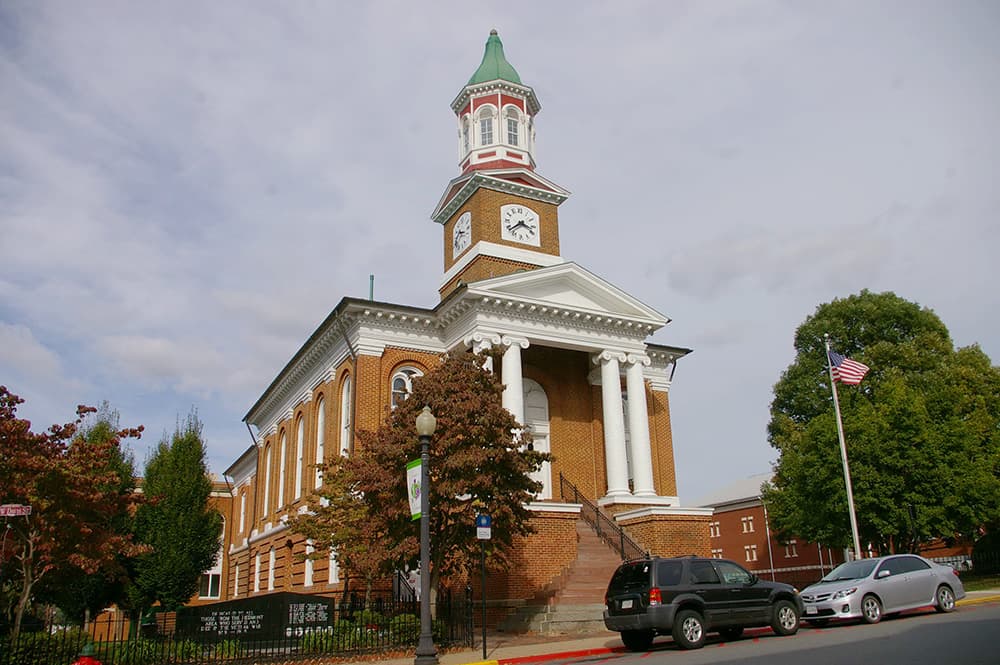
Culpeper County, VA — data center denied as supervisors reject more hyperscale development in the rural county
News coverage
30/100
Feasibility Score
Rural Opposition
Risk Type
Agricultural
Land Type
Multiple
Proposals Stalled
Culpeper County, Virginia · 2023–Present
The land cheap enough to buy. The community too organized to beat.
The Thesis
Developers eye rural Virginia for hyperscale expansion
Culpeper County sits at the edge of the Northern Virginia data center corridor — close enough to fiber infrastructure, far enough from suburban land prices. Large parcels of agricultural land, lower property taxes, and quiet zoning boards made it look like an ideal next frontier for hyperscale development. The thesis was sound on paper.
The Problem
Agricultural zoning requires full rezoning — not a simple CUP
Data centers are not permitted uses — or even conditional uses — in Culpeper County's agricultural districts. Each proposal requires a full rezoning from agricultural to industrial classification. That means a public hearing with full community participation rights, a planning commission recommendation, and a board of supervisors vote. Every neighbor gets a microphone.
The Water Fight
Rural water supply cannot absorb data center demand
Hyperscale data centers consume millions of gallons annually for cooling. Culpeper County's rural water infrastructure was not designed for industrial demand at this scale. Residents pointed to agricultural water rights, private well impacts, and the county's limited water treatment capacity. The water fight made every proposal radioactive.
The Grid Fight
Power infrastructure insufficient — Dominion Energy upgrades required
The rural power grid serving Culpeper County was not built for gigawatt-scale industrial loads. Each proposal required significant Dominion Energy infrastructure upgrades — new transmission lines, substations, grid reinforcements — that residents opposed as visually disruptive and environmentally damaging to agricultural land.
The Outcome
Multiple proposals stalled or withdrawn
Facing fierce organized opposition at public hearings — farmers, landowners, environmental groups — multiple data center proposals in Culpeper County's agricultural areas were stalled in the approval process or quietly withdrawn. The rural community's identity as farming country proved more durable than any developer's entitlement strategy.
The Primary Barrier
Agricultural Rezoning Required
Culpeper's agricultural districts require full rezoning — not a simple conditional use permit — for industrial data center use. That means every proposal goes to a public hearing with unlimited community opposition rights. In a community with an organized agricultural identity, this is not a zoning challenge. It is a political one.
The Water Constraint
Rural Infrastructure Mismatch
Data centers consume millions of gallons annually for cooling towers and evaporative systems. Culpeper County's rural water supply infrastructure — private wells, limited municipal capacity — was not designed for industrial water demand at this scale. Multiple proposals faced irresolvable water infrastructure conflicts.
The Grid Problem
Power Transmission Gaps
Hyperscale data centers require dedicated power infrastructure. The rural grid serving Culpeper County lacks the transmission capacity for gigawatt-scale industrial loads. Each proposal triggered requirements for new Dominion Energy substations and transmission lines — visually intrusive infrastructure that inflamed community opposition further.
The Identity Factor
Farmland Character Opposition
This is the hardest risk to quantify and the most decisive. Culpeper County residents have a strong, organized identity as a farming community. A hyperscale data center surrounded by cattle operations and vineyards is not just an incompatible land use — it is an existential threat to what the community believes it is. These fights don't settle.
“The land was cheap because the community would fight you. That risk was hiding in the zoning code the whole time.”
The Pre-Filing Intelligence
What RealClear AI finds in Culpeper County.
Before a single landowner negotiation begins. Before a single community meeting turns into a three-hour opposition session.
Jurisdiction Analysis
Culpeper County
Virginia — Agricultural District Proposal
Zoning Status
Water Risk
Grid Capacity
Community Risk
Rural Opposition Signal
Agricultural communities in Central Virginia have organized against data center proposals citing water consumption, grid strain, and loss of rural character. Multiple proposals across Culpeper County have stalled or been withdrawn under community pressure.
Land Character Risk — Farmland Identity
Culpeper County residents have an organized, vocal identity around agricultural preservation. A hyperscale data center in a farming community is not a land use conflict — it is a cultural one. These fights are harder to win than standard zoning disputes.
Recommendation
EXTREME DENIAL RISK. Agricultural rezoning for industrial use in a rural community with organized preservation identity. Do not proceed without multi-year community engagement strategy and infrastructure capacity study.
The Pre-Flight Checklist
Five signals. All publicly available.
Every factor that killed data center proposals in Culpeper County was in the public record. Agricultural zoning codes, water capacity studies, power infrastructure maps, community meeting minutes. RealClear AI reads all of it.
Agricultural Zoning — Full Rezoning Required, Not a CUP
Zoning ReaderThe Zoning Reader identifies that data centers are not a permitted or conditional use in Culpeper County's agricultural districts. Full rezoning from agricultural to industrial classification is required for each project — triggering a mandatory public hearing with unlimited community opposition rights. In a county with organized agricultural preservation sentiment, this bar is higher than most developers anticipate.
Agricultural Preservation Identity — A Cultural Fight, Not Just a Zoning Fight
Community SentinelThe Community Sentinel monitors planning meeting attendance patterns, petition filings, and organized opposition group activity. Culpeper County's agricultural community is cohesive, politically engaged, and has a demonstrated history of showing up to public hearings in large numbers. Developers who treated this as a standard rezoning underestimated the community identity factor.
Rural Water Supply Cannot Absorb Industrial Demand
Zoning ReaderThe Zoning Reader cross-references water infrastructure capacity data with project-scale water demand estimates. Culpeper County's rural water system — primarily private wells and limited municipal capacity — cannot support the millions of gallons annually required by hyperscale data center cooling systems. This constraint appears in county infrastructure planning documents and water authority records.
Power Grid Insufficient — Transmission Upgrades Trigger Opposition
Pathway MapperThe Pathway Mapper identifies power infrastructure requirements as part of the entitlement pathway. In Culpeper County, each data center proposal triggered requirements for new Dominion Energy transmission infrastructure — substations, power lines, grid reinforcement — that residents opposed as additional visual and environmental impacts on agricultural land.
Comparable Outcomes — Adjacent Counties Show the Same Pattern
Comparable AnalystThe Comparable Analyst tracks outcomes across comparable rural Virginia jurisdictions. Data center proposals in agricultural areas throughout the Northern Virginia fringe — Fauquier County, Rappahannock County, Madison County — have faced the same combination of water, grid, and community opposition. The pattern is regional, not isolated to Culpeper.
The hidden cost of agricultural rezoning failure:
Developers who pursued agricultural rezoning in Culpeper County paid land carrying costs, entitlement fees, engineering studies, and attorney time — then watched proposals die at public hearings that any community opposition analysis would have predicted. The land was cheap. The fight was not.
A RealClear analysis tells you when the land price is the only cheap thing about the deal.
Intelligence Brief
How RealClear built this verdict.
Every feasibility score is backed by a traceable intelligence trail — real articles, real officials, real patterns.
News Articles Indexed
Key Officials Profiled
Comparable Projects Approved
Opposition Groups Tracked
Event Timeline
Key milestones in the entitlement journey
2023
Developers eye rural Culpeper County for hyperscale expansion
2023
Agricultural zoning requires full rezoning — not a simple CUP
2024
Rural water supply and power grid constraints identified
2024-2025
Multiple proposals stalled or withdrawn facing fierce opposition
2023
Developers eye rural Culpeper County for hyperscale expansion
2023
Agricultural zoning requires full rezoning — not a simple CUP
2024
Rural water supply and power grid constraints identified
2024-2025
Multiple proposals stalled or withdrawn facing fierce opposition
Key Actors
Decision-makers and their positions
Culpeper County Board of Supervisors
Rezoning Authority
Agricultural community identity makes industrial rezoning a political fight, not a planning question
Dominion Energy
Power Utility
Rural power grid lacks capacity for gigawatt-scale loads — transmission upgrades trigger additional opposition
Opposition Intelligence
Organized opposition groups
Culpeper Agricultural Preservation Coalition
Farmers, landowners, and rural community advocates county-wide
Tactics
Public hearing testimony, agricultural identity framing, water rights advocacy
Track Record
Multiple data center proposals stalled or withdrawn — organized, vocal, and politically connected
Engagement Strategy
Multi-year community engagement required. Do not proceed without independent water capacity study and infrastructure assessment.
Rural Environmental Advocates
County-wide environmental groups
Tactics
Water rights, well impact testimony, environmental impact framing
Track Record
Contributed to stalling multiple proposals through water supply objections
Risk Triggers
What activates opposition
- Agricultural-to-industrial rezoning
- Water supply competition
- Transmission line visual impact
Jurisdiction Pattern
What history tells us about this jurisdiction
Approval Rate
0 of 3 data center proposals advanced in Culpeper County agricultural zones (2023-2025)
Recent Shifts
Community has successfully blocked all proposals — pattern is hardening, not softening
Key Insight
The land was cheap because the community would fight you. Agricultural rezoning for industrial use in a community with organized preservation identity is a cultural fight, not a zoning dispute.
Intelligence compiled from 8 news articles, Culpeper County zoning ordinance, and comparable rural Virginia data center outcomes
Primary Source Documents
11 DocumentsEvery finding cited to the source. Click any document to preview it directly.
Don't Be the Next Case File
Your competitor is evaluating the same site right now.
RealClear AI runs a full entitlement risk analysis — zoning classification, approval pathway, water and grid constraints, community opposition sentiment, and comparable rural outcomes — fully analyzed. Before any land negotiation. Before any community meeting.
AI-generated analysis · Not legal advice · Verify independently before making investment decisions